What’s your attachment style?
Think about how you generally feel in close relationships, not just your current one. There are no right answers, only honest ones.
- 12 statements
- About 2 minutes
- Based on the ECR-S research scale
Free · Instant result · No account needed
How true is this for you?
Nice. Keep going.
Go with your first instinct: the quickest answer is usually the most honest one.
Good to know
Attachment styles aren’t fixed. Researchers call the shift toward security “earned security”, and it can happen at any age.
Building your profile…
- Scoring your 12 answers
- Mapping anxiety and avoidance
- Writing your profile
Secure
You can get close without losing yourself.
Anxious
You love deeply, and worry about losing it.
Avoidant
Closeness can feel like pressure.
Fearful-avoidant
You want closeness, and fear it at the same time.
Where you are
You’re mostly comfortable with closeness and you don’t spend much energy worrying about being left. When conflict comes up, you can usually stay present and talk it through. That’s a real strength, and something you can keep building on.
What helps
- Keep naming your needs simply and early.
- Notice which situations still make you feel unsure.
- Use your steadiness to support, not to over-function.
Closeness matters a lot to you, and when someone feels distant your mind fills the silence with worst-case stories. You might reread messages, look for signs, or need reassurance more often than you’d like. None of this means you’re “too much”: it’s a nervous system that learned to stay on alert. This book was written for exactly this.
What helps
- Pause before reacting: name the feeling, then breathe.
- Ask for reassurance directly instead of testing.
- Build a life that feels full even when they’re quiet.
You value your independence and you tend to rely on yourself first. When things get very close or emotional, part of you wants to step back. That made sense once: it kept you safe. Learning to stay a little longer in closeness can make relationships feel lighter, not heavier.
What helps
- Notice the urge to pull away and name it out loud.
- Share one small feeling a day with someone you trust.
- Take space, but say when you’ll come back.
You crave connection, yet when it arrives, it can feel unsafe. You may swing between reaching out and pulling back, which is exhausting and confusing. This push-pull is very common and very workable: it starts with understanding what each side of you is trying to protect.
What helps
- Slow things down: safety grows in small steps.
- Write down what you feel before acting on it.
- Consider support from a therapist you trust.
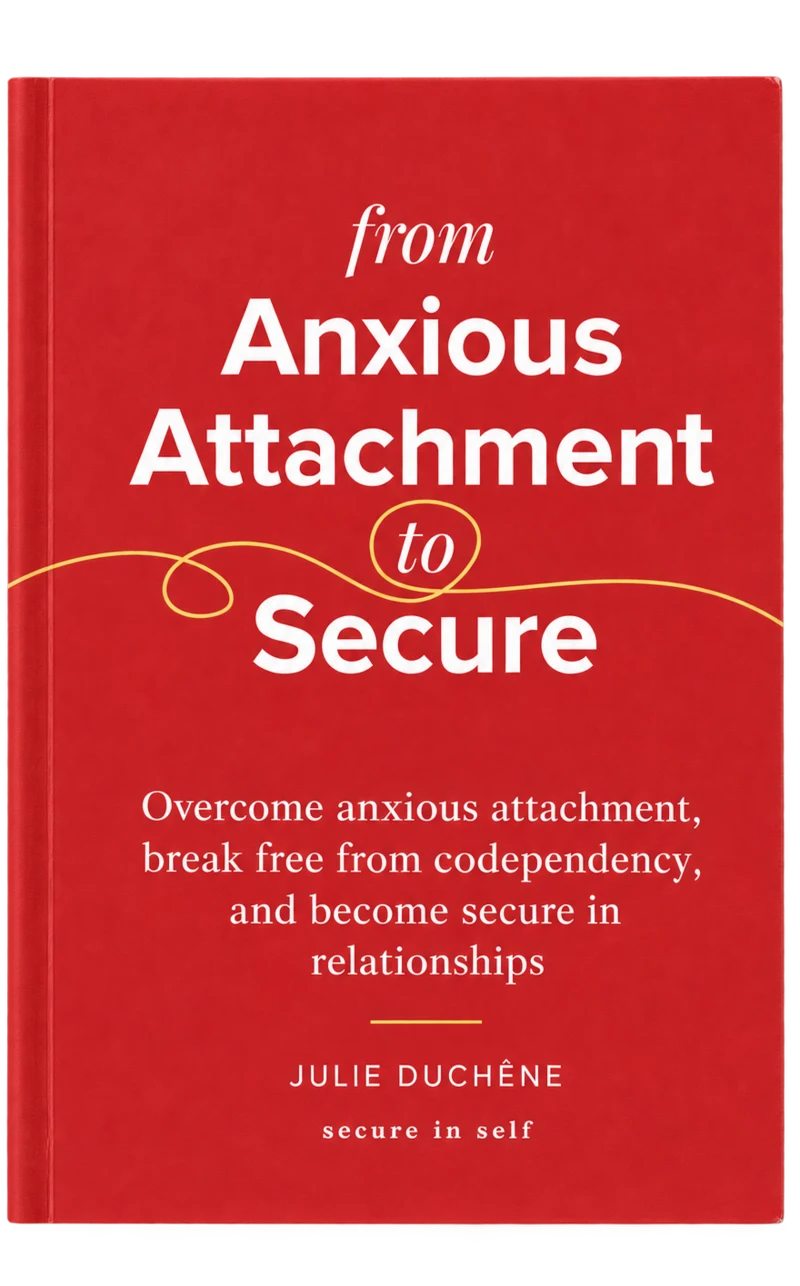
From Anxious Attachment to Secure
From Anxious Attachment to Secure walks you through why you react the way you do, and how to feel safe again.
The ebook is coming soon. You’re on the list.
Paperback on Amazon · $24.99This quiz is a tool for self-reflection, not a diagnosis.